.png)



From Missiles to Interceptors: Implications of Ukraine’s latest defence Octopus UAV for India
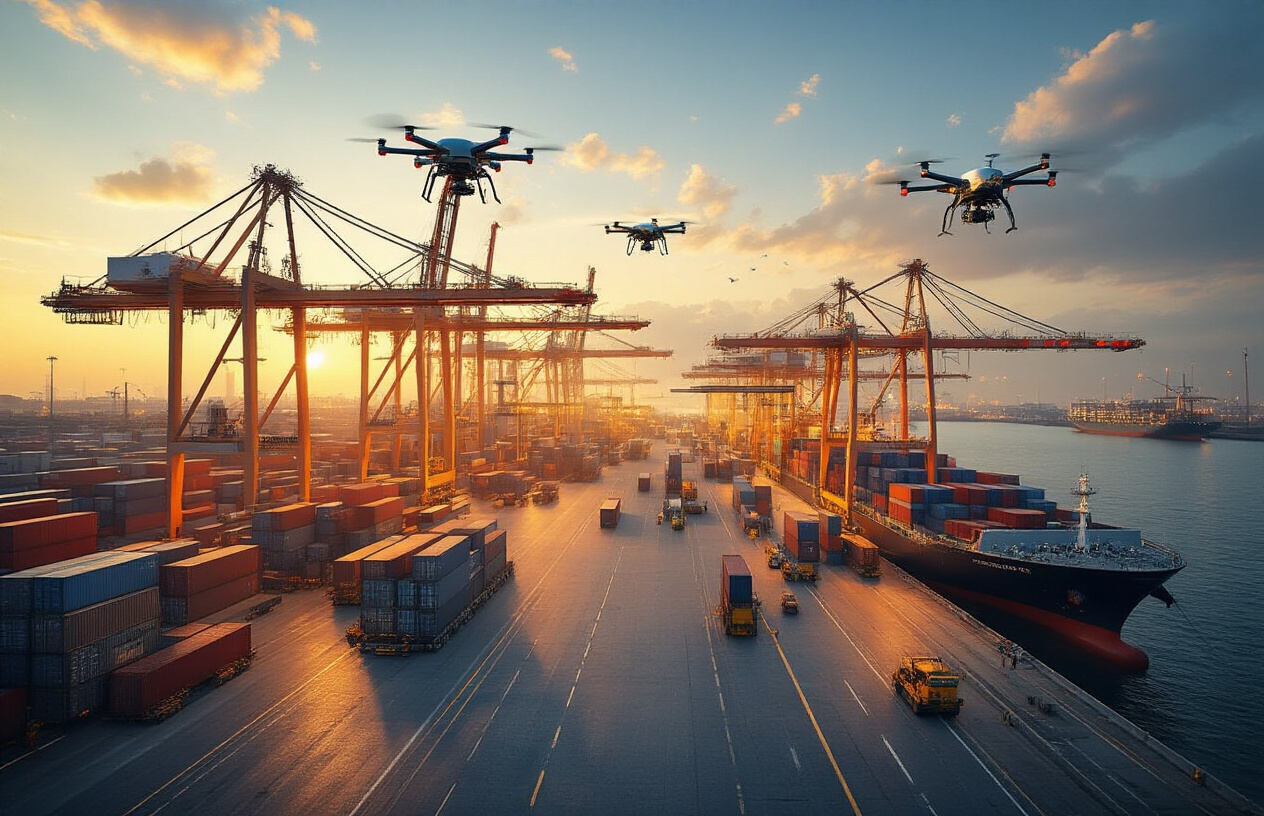
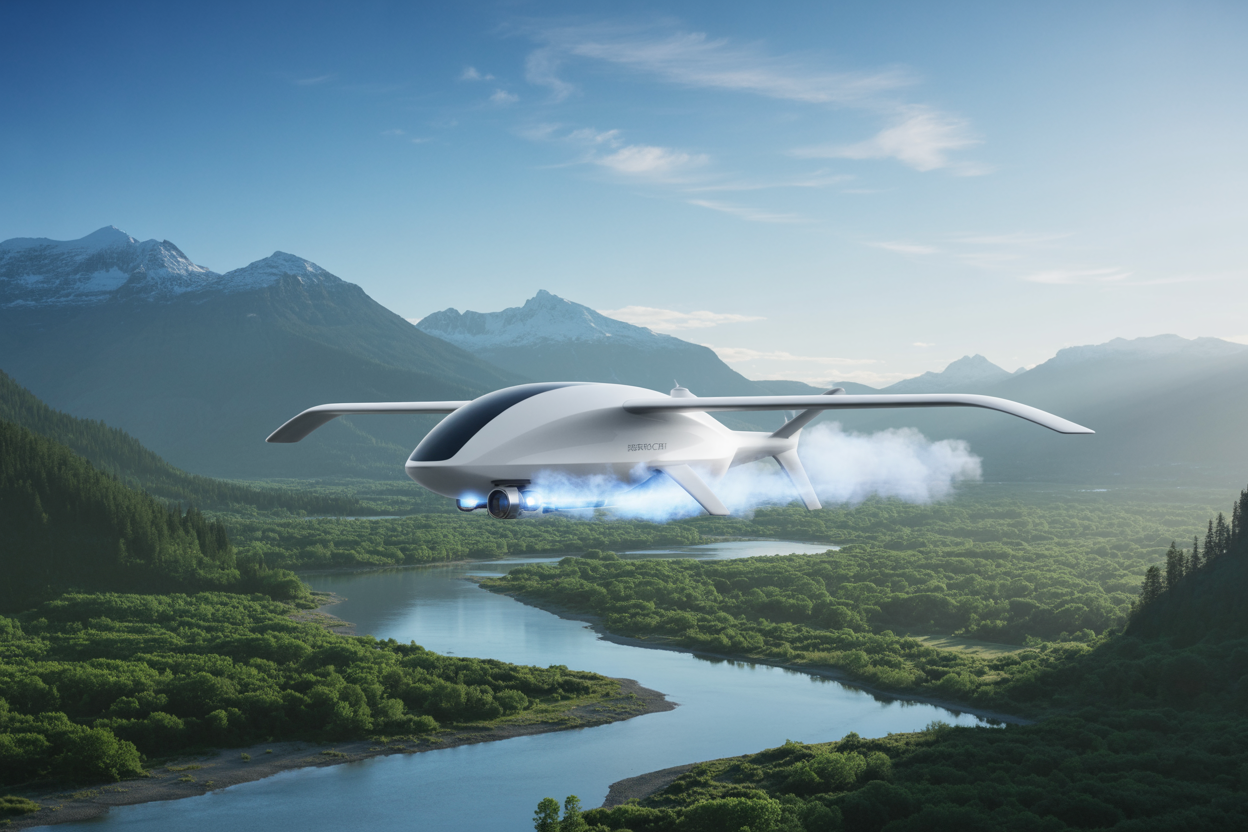
Low-cost drones have transformed modern air defence, exposing the limits of expensive, reactive countermeasures. Ukraine’s Octopus interceptor highlights a shift toward affordable, layered, and scalable drone interception.
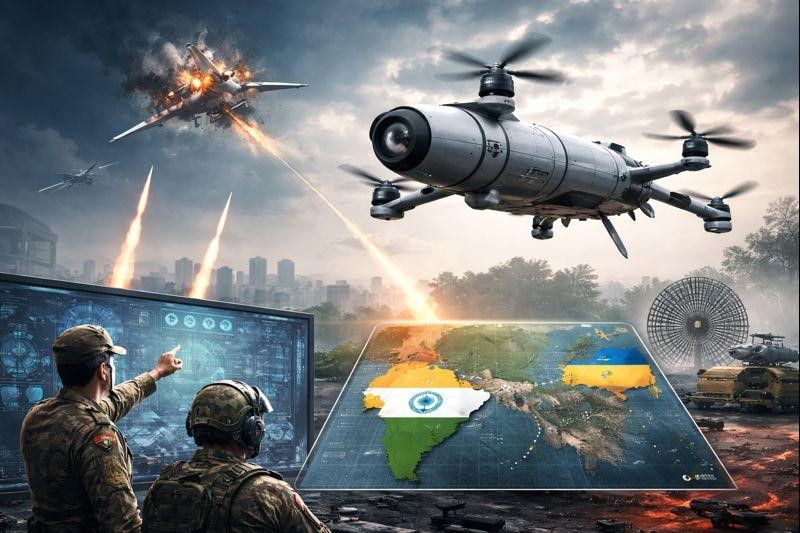
The rapid spread of low-cost unmanned aerial threats has reshaped air defence priorities globally, a shift that has become especially visible since 2022, when the conflict involving Ukraine entered a phase marked by sustained drone usage. Ukraine’s subsequent development of the Octopus interceptor UAV offers relevant lessons for India as it responds to persistent drone-related security challenges along its borders and around sensitive installations. The value of this comparison lies not in replicating a specific platform, but in understanding the strategic thinking that guided its adoption.
India’s drone threat environment over recent years has been characterised by recurring cross-border intrusions, the use of commercially modified UAVs for surveillance and smuggling, and the potential risk to military bases, infrastructure, and high-profile public events. These incidents, widely reported since the early 2020s, typically involve low-altitude, low-cost platforms, making them inefficient targets for expensive missile-based air defence systems or manned interception. This mismatch between threat cost and response cost has become a central challenge in modern airspace security.
The Octopus interceptor UAV programme, formally announced under Project Octopus (2025), is supported through close cooperation with the United Kingdom. The programme is built around a clear operational principle: air defence must remain economically sustainable over time. By deploying low-cost interceptor drones to counter low-cost aerial threats, Ukraine has sought to preserve high-value air defence assets while maintaining the ability to respond to repeated and large-scale drone incursions. This logic gained prominence as drone attacks intensified through 2024–2025, forcing defenders to rethink conventional engagement strategies.
Another important aspect of the Octopus approach is its integration into a layered air defence architecture. Interceptor UAVs are not positioned as replacements for conventional systems, but as complementary assets designed to address a specific gap—neutralising small, low-flying drones that evade or saturate traditional defences. While India already employs layered concepts in missile and radar-based defence, the absence of a dedicated interceptor UAV layer limits the overall efficiency of this structure. Ukraine’s experience since 2023 illustrates how filling this layer can significantly enhance airspace resilience under sustained pressure.
Equally significant is the industrial strategy behind the programme. In November 2025, a licensing agreement between the UK and Ukraine enabled the large-scale production of the Octopus interceptor UAV within the UK defence industrial base. This approach prioritised manufacturability and scale over excessive complexity, allowing production plans to expand rapidly. Public statements in early 2026 indicated an intention to supply interceptor drones in large monthly volumes, underscoring the emphasis on sustained availability rather than limited, high-end capability. For India, this highlights the importance of prioritising mass-producible interceptor drones under domestic manufacturing initiatives, rather than relying heavily on imported counter-UAV solutions.
India’s current counter-drone posture, shaped largely between 2020 and 2025, relies on detection systems, electronic warfare, and regulatory controls such as no-fly zones during high-security events. While effective as deterrents or short-term responses, these measures remain largely reactive. The Octopus model introduces an active interception capability, allowing defenders to physically remove hostile drones from contested airspace. This shift from disruption to interception represents a doctrinal evolution that may become increasingly relevant for India as drone threats grow in frequency and operational intent.
Taken together, the relevance of the Octopus interceptor UAV programme for India lies in the strategic choices it reflects—aligning response costs with threat costs, strengthening layered defence through a dedicated interceptor UAV tier, and treating drone defence as a long-term endurance challenge rather than an occasional security concern. These principles, shaped by developments from 2022 through 2026, are likely to become central to effective airspace protection in the coming years.
babeduzuuh
https://puslaxbcnto.com - Uamaotoy <a href="https://puslaxbcnto.com">Iqicereyo</a> dqa.wzdo.flymoredrone.in.vxg.wj https://puslaxbcnto.com